


Eternium
4.8137.97K Reviews
App Specs
- Version
- 1.47.8
- Updated On
- License
- Free
- Downloads
- 10,000,000+
- Developer
- Making Fun
- Categories
- Role Playing
- Platform
- Android
Screenshots
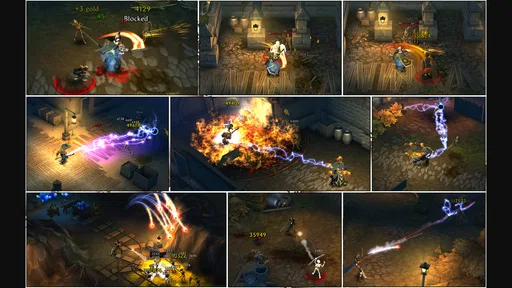
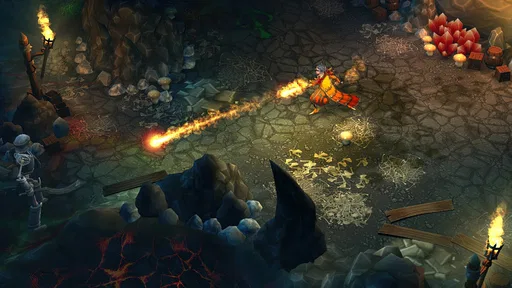
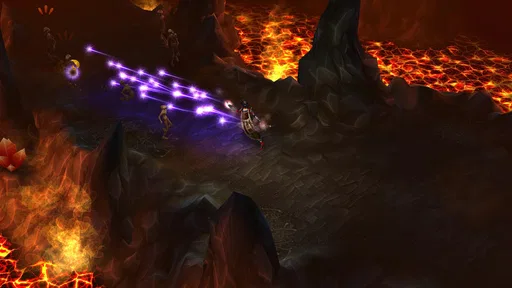
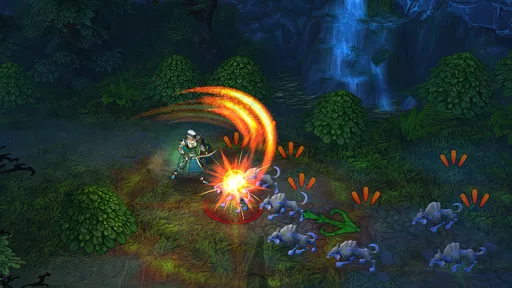
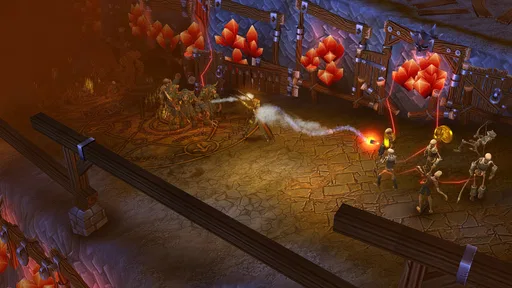
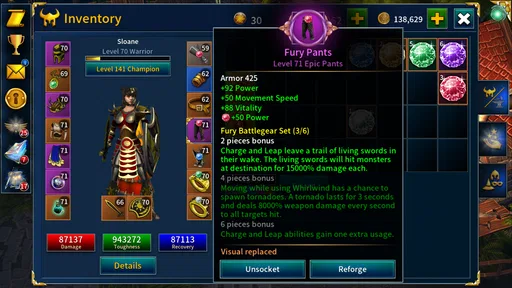
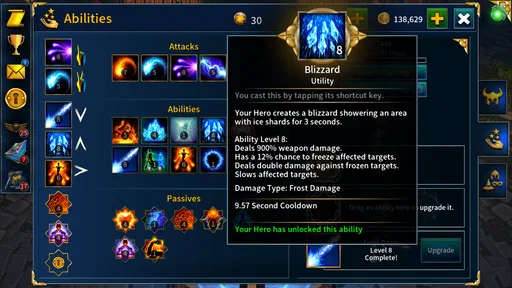
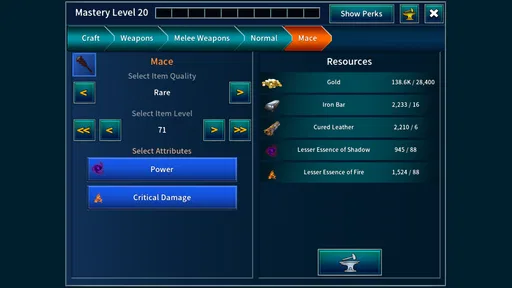
 Analysis by AppCompare
I approached Eternium as a player looking for a role-playing game that feels comfortable on a phone rather than a simplified version of a larger desktop experience. After spending time with it, my impression is clear: this is a welcoming action RPG for people who enjoy exploring, fighting, collecting equipment, and gradually improving a character without needing to understand a complicated rulebook first. It is free to start, but the presence of optional purchases means the best experience depends partly on how patiently you are willing to play.
The game comes from Making Fun and has been available since June 25, 2014. Its long life is easy to understand once you play it. The presentation leans into familiar fantasy adventure ideas, while the controls are designed around touch screens. I found it especially easy to pick up for short sessions, although there is enough progression to keep a longer evening from feeling empty. It is rated Teen, so parents should consider whether its combat and fantasy themes suit the intended player.
How I judged Eternium against other mobile RPGs
When I compare a role-playing game on mobile, I look at four things first: how quickly I can begin playing, whether the controls feel natural, how much choice exists during character growth, and whether the game respects the time I can give it. A beautiful world is not enough if every battle feels automatic. Likewise, a deep equipment system is not useful if the interface makes basic decisions tiring.
Eternium performs well on the first test. I could get into the action without studying long explanations, and the touch-focused design gives combat a more active feel than games that mainly ask me to tap an attack button and watch. That distinction matters if you want to feel involved during a short break instead of simply checking progress.
The second test is more personal. I enjoy games that let me experiment, but I do not always want the complexity of a traditional computer RPG. This game sits in the middle. It offers recognizable role-playing decisions without demanding that I track every possible statistic before moving forward. That makes it a good bridge between casual mobile play and more involved fantasy adventures.
The final test is patience. A free game with optional purchases can be enjoyable without spending, but the player has to decide whether to move at the game’s natural pace or pay to reduce friction. I would not install it expecting an entirely premium-style experience with no temptation to spend. I would install it because the basic loop is enjoyable enough to support gradual progress.
The first hours are built around momentum
My early sessions were strongest when I treated the game as a sequence of small adventures rather than a project I had to optimize immediately. I could move through encounters, gather rewards, improve my character, and return to the next challenge without feeling buried under menus. That rhythm is one of the game’s most useful qualities for newcomers.
Worth Reading Before You Choose

EA SPORTS FC Mobile 26 Is a Bigger Football Game, but It Takes Time

Flipboard Shows What News Apps Must Do Beyond the Feed

Switching to Android Auto Means Rethinking Your Driving Routine

Google Calendar Makes a Crowded Week Easier to Manage

Ludo King Makes the Most of the Minutes Between Plans

Baby Panda World Brings Quick Play to Modern Phones, but Its Game Library Feels Busy
The classic RPG influence is also noticeable in the way progress gives ordinary actions a purpose. A battle is not only about surviving the current enemy; it contributes to a longer process of becoming stronger and better prepared. I like that structure because it gives even a short session a clear result. I can stop after a stage and feel that I accomplished something rather than merely spending time.
There is a practical tip here: resist the urge to improve every item the moment it appears. Early equipment changes quickly, so I found it more sensible to keep moving and reserve attention for upgrades that genuinely improved my setup. This reduces menu fatigue and helps preserve the adventure’s pace.
Touch controls make the game stand apart
The control approach is one of the reasons I would choose this over a slower, menu-heavy RPG for phone play. Touch interaction feels more direct, and the game benefits from being played with both hands when a situation becomes busy. I recommend trying different finger positions instead of assuming the default arrangement will suit you immediately.
That said, touch controls are not automatically better for everyone. If you prefer precise physical buttons, a controller-centered RPG may feel more comfortable. On a small screen, crowded action can also become less readable, especially when I am playing quickly or holding the phone at an awkward angle. I found the experience best when I gave the display my full attention rather than trying to play while distracted.
The controls also affect the kind of player who will enjoy the game. Someone seeking a completely passive experience may prefer an auto-battle title. Eternium is a better match for a player who wants to participate in encounters, even if the overall structure remains approachable.
Character growth without an exhausting rulebook
I appreciate that the game presents role-playing progression in a digestible way. There is enough room to think about how I want my character to develop, but I did not feel forced to research a perfect build before making progress. For a first mobile RPG, that balance is valuable.
My advice is to choose upgrades according to how you actually play, not according to an imagined ideal character. If you regularly struggle to stay alive, defensive improvements may be more useful than a small increase in damage. If ordinary encounters feel easy but tougher fights take too long, then offensive choices may provide more noticeable value. This sounds simple, but it prevents a common mistake: spending resources on changes that look impressive on paper but do not solve your real problem.
I also found it helpful to keep a clear distinction between temporary equipment and a longer-term direction. Not every reward needs to become part of the final plan. Treating loot as a tool for the next stretch of adventure makes experimentation less stressful and keeps the focus on playing rather than hoarding.
Why the game has lasting appeal
The strongest part of Eternium is its combination of familiarity and accessibility. It understands why people still enjoy classic fantasy RPGs: a recognizable hero, dangerous encounters, useful rewards, and the satisfaction of becoming stronger. At the same time, it does not require the commitment of a large online world before the game becomes interesting.
That makes it useful in everyday situations. I can imagine playing a few stages while waiting for an appointment, then returning later without needing to remember a complicated social schedule. On a quiet evening, I can also spend longer improving equipment and deciding how to handle the next challenge. The same game supports both patterns, which is more important to me than having an enormous map.
Its audience is reflected in its broad reception: the game holds a 4.8 average from around 2.7 million ratings, with roughly 138 thousand written reviews. It has also passed 10 million installs. Those figures do not replace personal judgment, but they do confirm that the game has connected with a large mobile audience over time.
Where it wins against common alternatives
Compared with heavily automated RPGs, Eternium gives me more ownership of the moment-to-moment action. I am not simply collecting characters or waiting for a simulated battle to finish. That makes each encounter feel more like play and less like account maintenance.
Compared with enormous online role-playing games, it is easier to approach in small portions. I do not need to treat it as a second job. The game is better suited to someone who wants a focused fantasy adventure than to someone whose main goal is a persistent social world filled with constant group activity.
Compared with premium RPGs that ask for payment before installation, the free entry point is attractive. I can test the controls, presentation, and progression before deciding whether it deserves a place on my phone. The trade-off is that optional purchases are part of the experience, so the game does not offer the same psychological simplicity as paying once and removing the question of spending.
What may make another RPG a better fit
I would not recommend this game to someone who wants a story-first role-playing experience with long conversations and carefully staged character drama. Its appeal is more closely tied to action, progression, and the repeated satisfaction of improving a hero. If narrative immersion is your top priority, a dedicated story RPG may leave a stronger impression.
It may also be the wrong choice for players who dislike repeating activities to become stronger. Progression naturally asks for time, and the free-to-play structure can make that time feel more noticeable when you are eager to move ahead. A premium game with a fixed purchase may be preferable if you want a clearly defined cost and a more controlled pace.
Likewise, competitive players should think about what they want from the genre. Eternium works best for personal progression and adventure. If your ideal mobile RPG revolves around ranked battles, guild coordination, or constant player-versus-player pressure, a different category of game will probably fit better.
The real cost of changing your habits
Switching to Eternium is easy if you are coming from another action RPG, because the basic ideas are familiar. The adjustment is more about learning how much attention to give equipment and progression. I recommend playing normally at first, then making changes only when a specific obstacle appears. This gives you a useful sense of what the game expects instead of turning the opening into a spreadsheet exercise.
The bigger transition comes if you are leaving an auto-play RPG. You will need to stay engaged during encounters, and that is both the benefit and the cost. I consider it a good exchange when I want a game that feels active. I do not consider it worthwhile when I am looking for something to run in the background.
There is also a financial habit to consider. The game is free, while individual in-app purchases range from $0.99 to $99.99. I would decide on a personal spending limit before making any purchase, particularly because a small convenience can make another purchase feel reasonable later. Playing without spending first is the safest way to learn whether the progression itself satisfies you.
A second useful habit is to avoid comparing your progress with players who may be approaching the game differently. The enjoyable part for me was improving at my own pace, not trying to make every decision immediately optimal. That mindset reduces pressure and makes the free structure easier to live with.
Version, device expectations, and practical use
The current version is 1.47.5, and the minimum operating system listed for the game is Android 7.1. That makes it accessible to many older Android devices, although actual comfort will still depend on the phone’s screen, performance, storage situation, and battery condition. I would check those practical details before committing to long sessions.
On a smaller phone, I would play with brightness and hand position in mind. Touch-heavy games become less pleasant when the screen is cramped or when the device is heating during extended play. Shorter sessions are not merely a compromise here; they suit the game’s stage-based rhythm surprisingly well.
Because the content rating is Teen, I would not treat it as a universal children’s game. The fantasy setting may look approachable, but parents should review whether the combat themes and purchase options are appropriate for the person using the device. For adults and older teens who enjoy action RPGs, the rating is less likely to be a concern.
Who should install it first
I think Eternium is a strong starting point for someone who wants a free fantasy RPG with active touch controls, recognizable progression, and enough depth to reward attention. It is especially suitable if you enjoy improving a character in small steps and like being able to play for a few minutes without losing the thread of the adventure.
It is also a sensible choice for a returning RPG player who misses the basic pleasure of clearing encounters and finding better gear but does not want to commit to a huge online ecosystem. The game’s old-school direction gives it a clearer identity than many mobile titles that are built mainly around collecting and waiting.
I would skip it if your priorities are a one-time purchase, a deeply cinematic story, automatic battles, or a primarily social competitive experience. Those preferences point toward other RPG categories, and choosing a game that conflicts with your preferred pace usually leads to frustration no matter how polished it is.
My recommendation after playing
My recommendation is to try Eternium if you want an active, approachable mobile RPG rather than a passive progression app. Its free entry makes testing easy, and the core appeal is clear from the first sessions: fight, improve, explore, and return when you have time. Making Fun has built something that feels intentionally shaped for touch screens while still respecting the familiar pleasures of classic role-playing games.
I would approach the optional purchases carefully and judge the game by how enjoyable it is before spending anything. If the ordinary progression already feels rewarding, the game can become a dependable casual adventure. If you immediately feel impatient with the pace or uncomfortable with the purchase structure, paying will not solve the underlying mismatch.
For me, the deciding advantage is balance. Eternium is at its best when you want meaningful interaction without the weight of a massive RPG commitment. It is not the perfect answer for every mobile player, but it is a convincing choice for anyone who wants fantasy combat and character growth to fit naturally into everyday phone time.
Pros
- Classic RPG combat with responsive controls and satisfying spell effects.
- Generous free-to-play progression without requiring payment to enjoy the campaign.
- Large selection of abilities
- gear
- and character builds to experiment with.
- Playable offline for much of the main adventure after required content is downloaded.
- Regular events and seasonal activities give returning players extra goals.
Cons
- Later stages can become repetitive as enemies and objectives reuse familiar patterns.
- Inventory management is cumbersome when collecting large amounts of equipment.
- High-tier upgrades require significant grinding or carefully saved resources.
- Online features and some progression systems depend on a stable connection.
- The interface can feel crowded on smaller phone screens.
FAQs for Eternium
What is Eternium, and what kind of game is it?
Eternium is a free-to-play action role-playing game for Android and iOS that combines real-time combat, character progression, exploration, and loot collection. You choose a class such as Mage, Warrior, or Bounty Hunter, then travel through fantasy worlds, complete quests, fight monsters, and improve your equipment. Its controls are designed for touchscreens, using taps and gesture-based spell casting.
Can Eternium be played offline?
Eternium supports offline play for much of its main adventure content, which is useful when you do not have a reliable internet connection. However, some features may require online access, including account synchronization, certain events, advertisements, purchases, leaderboards, and multiplayer-related functions. It is best to launch the game online occasionally so progress and account information can synchronize correctly.
Is Eternium free to download and play?
Yes, Eternium can be downloaded and played for free on compatible Android and iOS devices. The game includes optional in-app purchases for items such as gems, bundles, and other conveniences that can speed up progression. You can enjoy the campaign without paying, although advancing may require more time and resource management if you choose not to spend money.
Does Eternium contain ads or in-app purchases?
Eternium includes optional advertisements and in-app purchases. Ads may offer useful rewards, such as additional resources or bonuses, while purchases can provide gems, equipment-related benefits, or convenience items. The game is generally playable without buying anything, but players should review the store and device purchase settings carefully, especially if children also use the phone or tablet.
What device requirements and account options should I know about before downloading?
Eternium requires a reasonably modern Android or iOS device with enough free storage for the installation and future updates. Performance can vary depending on your device, particularly during busy combat scenes. An internet connection is recommended for updates and online services, and connecting progress to an available account or platform service can help protect your characters if you change devices or reinstall the game.


